Fern Glade: September Reflections…
I don’t think I am alone in saying that this summer has been tough. Walking around a garden you have spent years building and feeling that half of it has gone is heartbreaking. Yet, as the weather begins to cool, signs of recovery are appearing, and things dont feel quite so bad.
This summer’s prolonged heat and drought caused many losses in Fern Glade, a woodland garden at RHS Wisley adjacent to the Rock Garden. Set on a slope beneath established trees, it has always been a challenging site. The canopy intercepts rainfall, tree roots take up much of the available moisture, and the slope makes retaining water even harder.
For over six years I have developed the planting here. Plants have been divided, propagated and moved; new combinations have been tried and different parts of the garden gradually shaped. During that time, the area has also had to respond to honey fungus and persistent bindweed. Then came this summer.
At its height, I felt I had to shift from asking, “What would I like to grow here?” to “What is actually prepared to live here?” Now, with some distance, that question feels less like an admission of defeat and more like an opportunity to look carefully at what the garden is telling me.
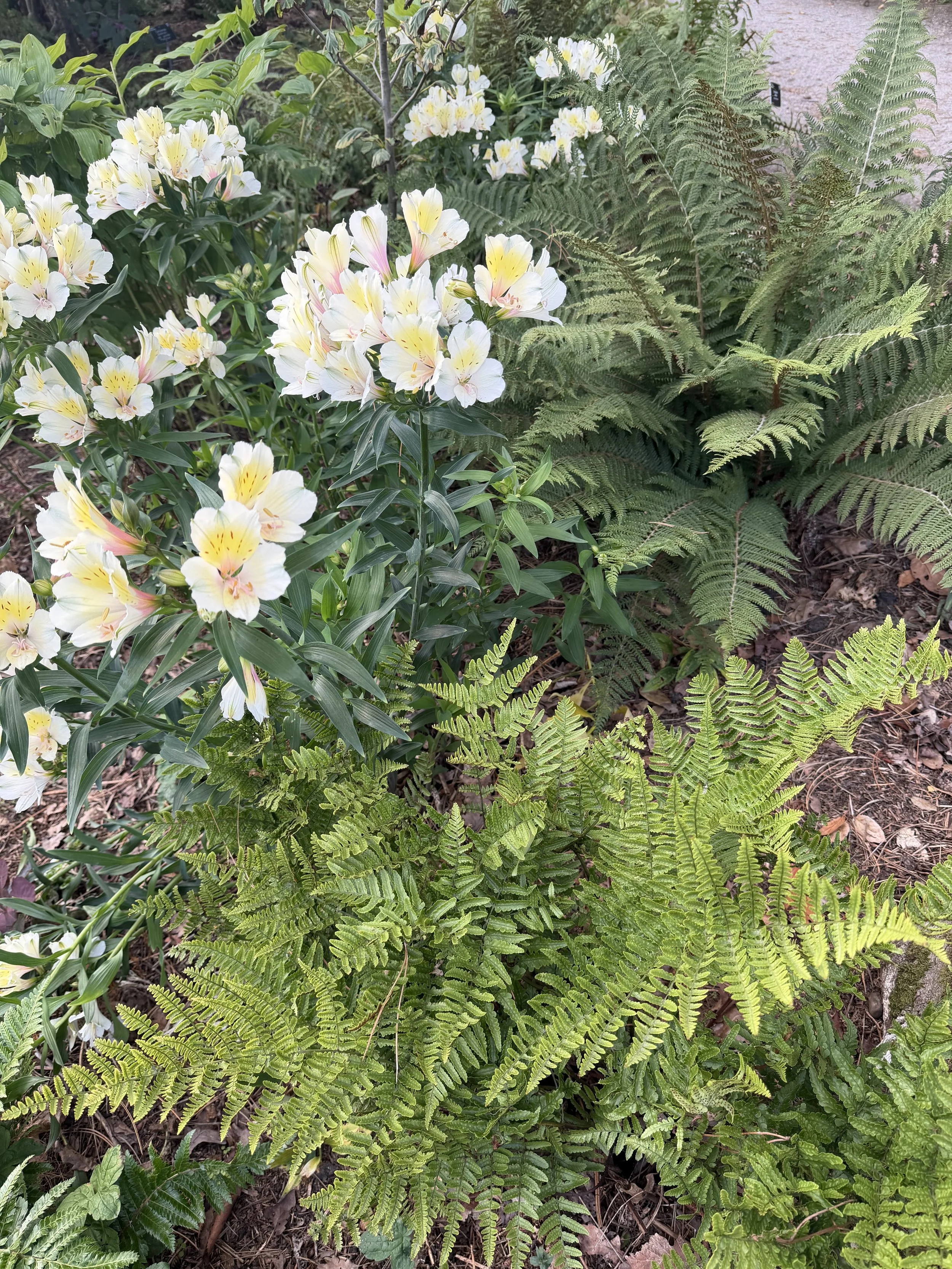
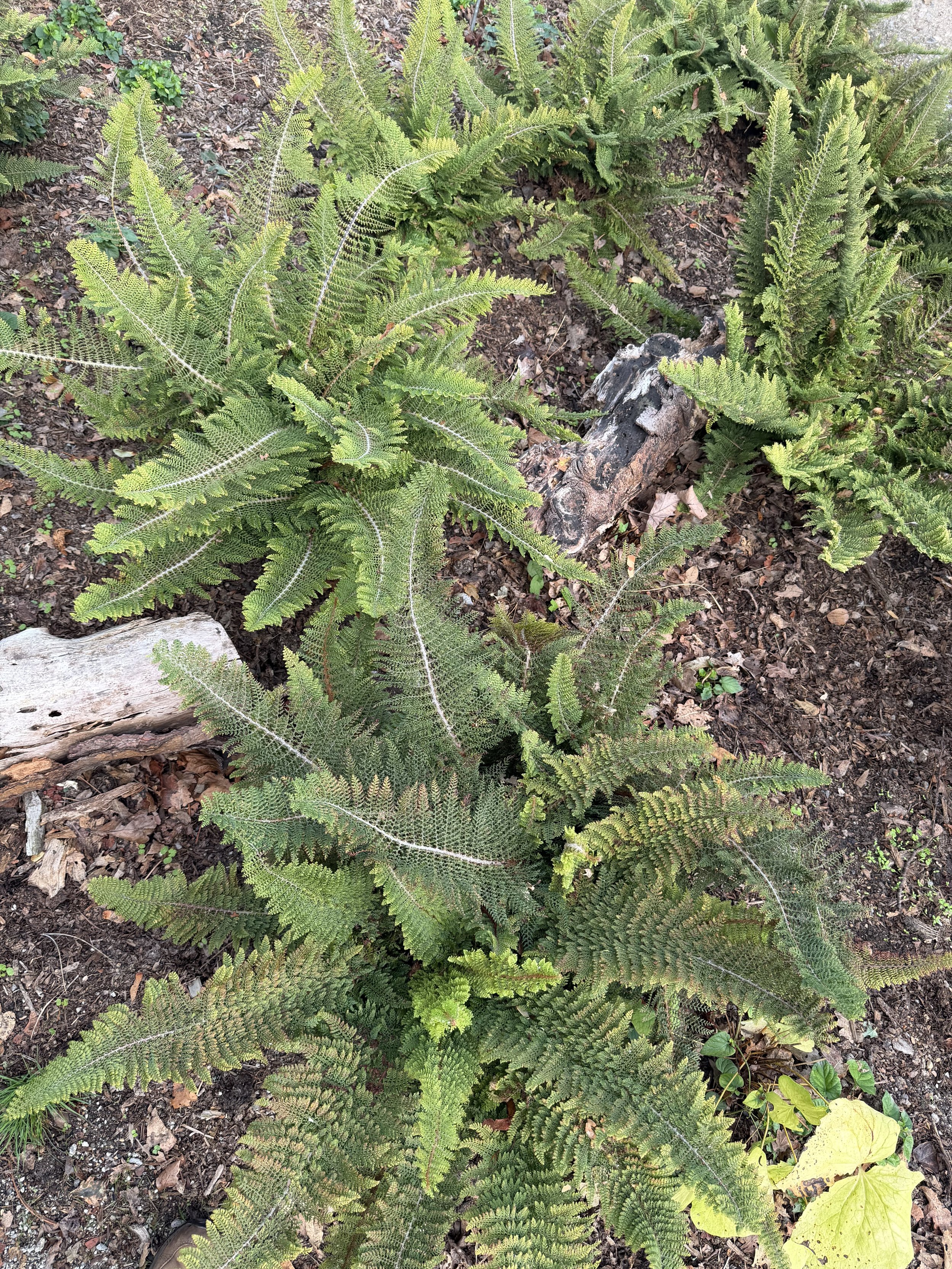
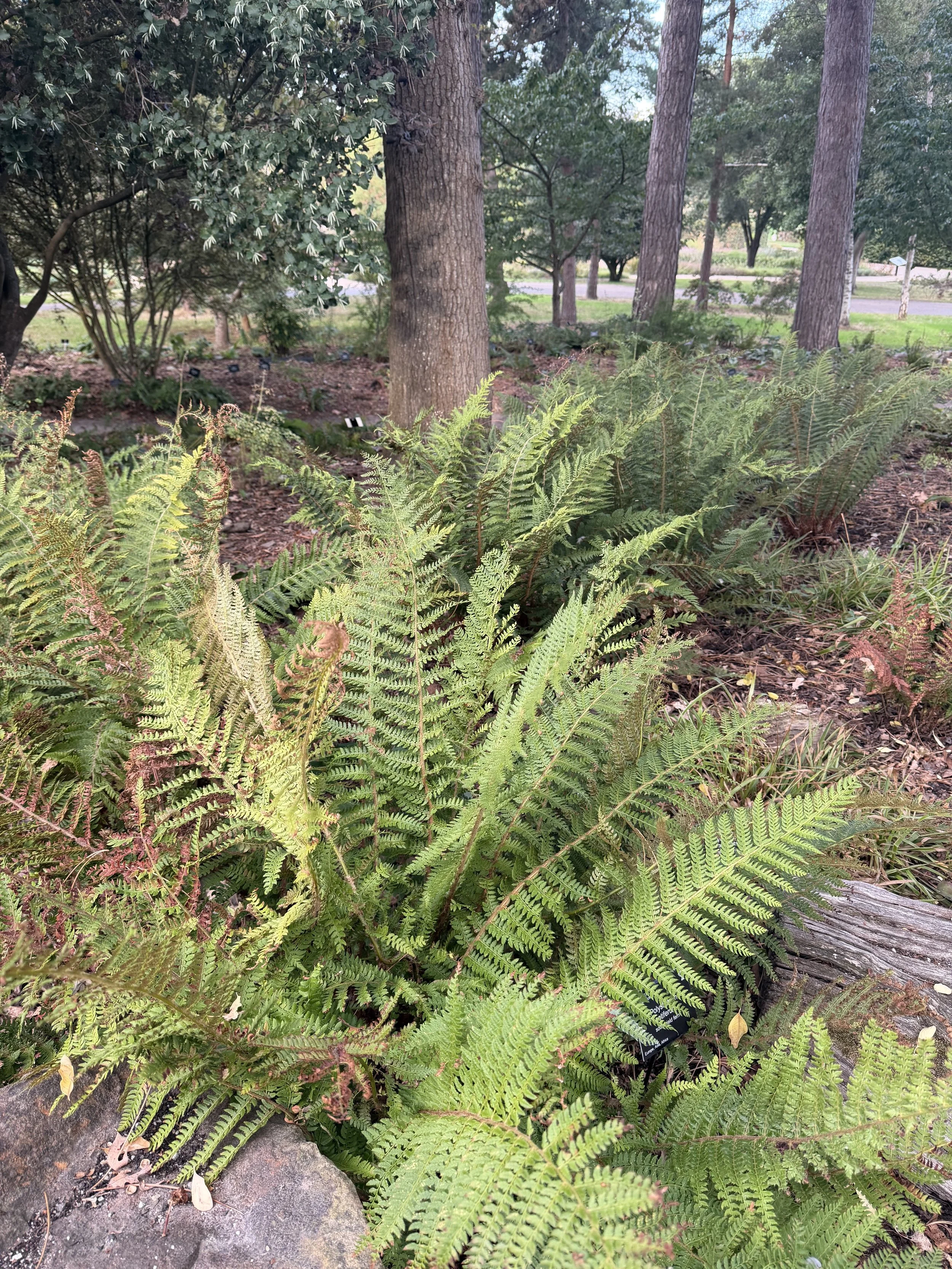
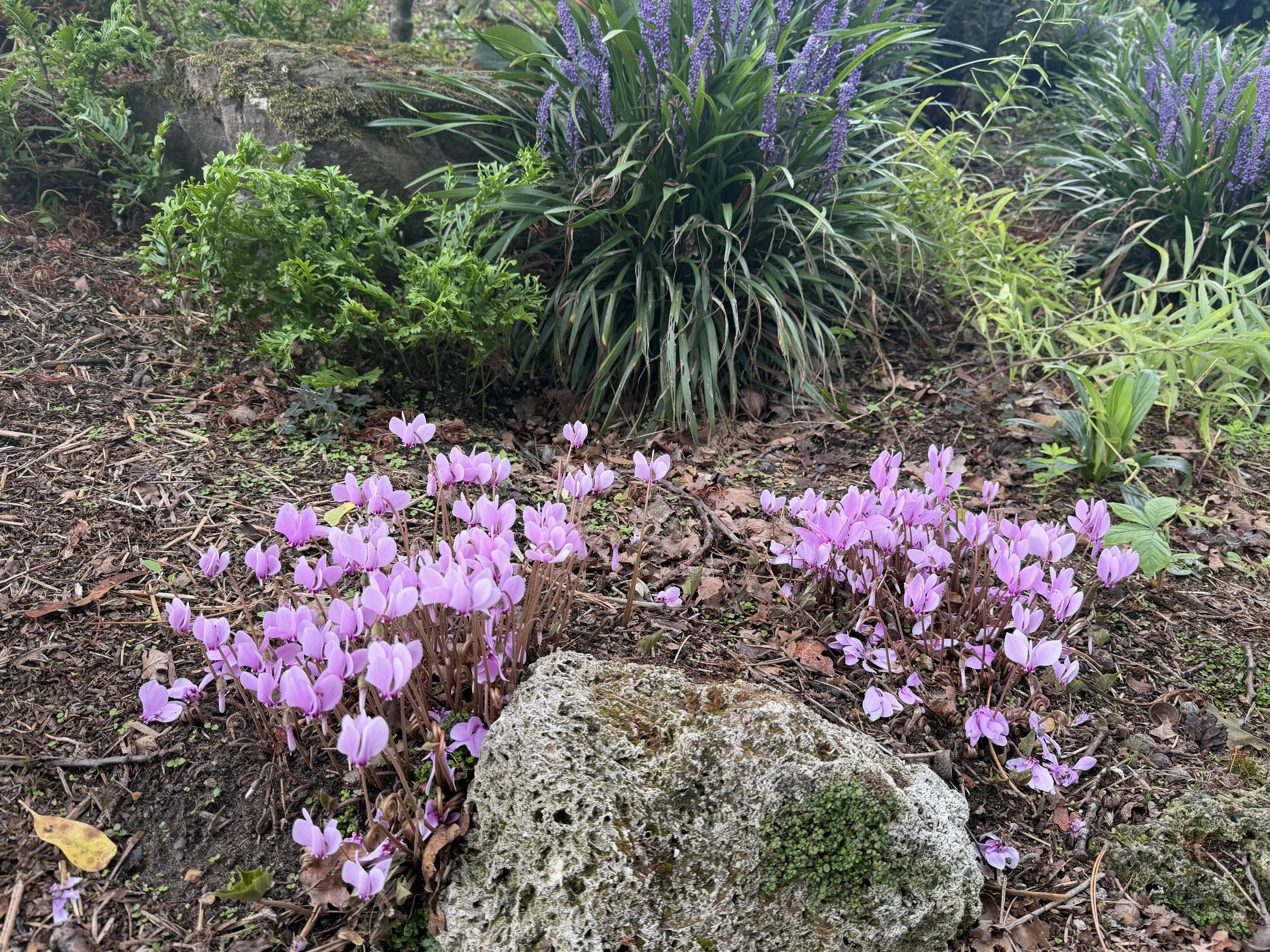
As temperatures have cooled, I look around and see that Polystichum setiferum has held up well, while P. setiferum Plumosomultilobum Group remain remarkably fresh and green. The polypodies are bursting into new growth, having simply waited for the heat to pass. Other dependable plants, including Liriope, Bergenia and Heuchera, may not be rare or glamorous, but they have demonstrated their value and I appreciate more now how they can be woven creatively through the planting to add year round structure to the understory.
The summer has also made me reconsider watering. All plants need water; there are no magic plants that survive without it. A resilient garden is not necessarily an unwatered garden. It is about making informed choices: selecting plants that require less water once established, and using the water available carefully and effectively.
Perhaps sustainable gardening is rather like sustainable travel: both still use resources. The aim is not to pretend otherwise, but to think more carefully about how much we use, where we use it and whether our choices can be sustained over time.
Some favourite plants may have to be relinquished. But this need not result in a lesser garden. The palette can be altered rather than simply narrowed, bringing in grasses, shrubs, ferns and other plants more suited to these conditions. Repetition, rhythm, contrast and the sloping ground itself can bring richness and complexity.
The task now is not to recreate exactly what was there before, but to learn from what has worked and allow a more resilient garden to emerge.